
Where Not to Travel in Summer 2026: UK Government Warnings Explained
As global tensions continue—particularly across parts of the Middle East—the UK government has updated its travel advice, highlighting destinations British travelers should avoid for now.
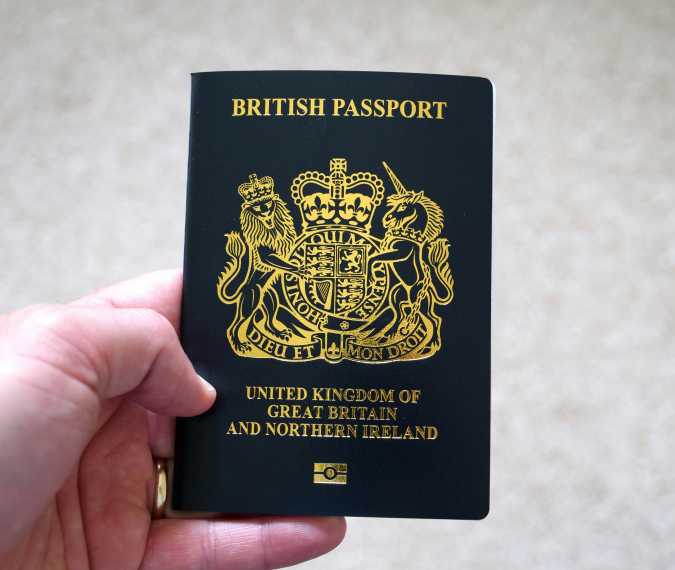
Holding a UK passport opens the door to over 180 countries and territories worldwide. However, accessibility doesn’t always equal safety. Before booking a trip, it’s essential to review the latest guidance from the Foreign, Commonwealth and Development Office (FCDO), which regularly updates its travel recommendations based on current risks.
Why These Warnings Matter
The FCDO identifies destinations where safety concerns—ranging from armed conflict and political instability to natural disasters or legal risks—make travel unsafe for British nationals.
Ignoring this advice can have serious consequences. One major issue is travel insurance: most providers will not cover trips to countries where the FCDO advises against travel. That means if something goes wrong, you may be left without financial protection or consular support.
Understanding the Categories
The UK government divides its travel advice into three levels:
Avoid all travel
Avoid all but essential travel
Avoid travel to specific regions within a country
“Essential travel” is not strictly defined—it’s up to each traveler to decide whether their reason for visiting (such as urgent family matters or business) justifies the risks involved.
Heightened Concerns in the Middle East
Ongoing instability has led to stricter warnings across the Middle East. British nationals are currently advised against visiting countries such as Iran, Iraq, Israel, and the Palestinian territories. There are also partial restrictions in places like Lebanon, Saudi Arabia, and Jordan.
Additionally, only essential travel is advised for destinations including Kuwait, Qatar, and the United Arab Emirates due to regional tensions.
Countries the UK Advises Avoiding Completely
The FCDO currently recommends against all travel to several countries due to severe risks:
Afghanistan – unstable and unpredictable security conditions
Belarus – high risk of detention
Burkina Faso – threat of terrorism and kidnapping
Haiti – ongoing security instability
Iran – significant risk of arrest for British nationals
Iraq – escalating regional conflict
Israel and Palestinian territories – a rapidly changing and dangerous situation
Mali – volatile security environment
Niger – increased kidnappings and criminal activity
Russia – risks linked to the war in Ukraine
South Sudan – armed violence and crime
Syria – ongoing conflict
Yemen – highly unpredictable conditions
Destinations with Regional Restrictions
In many countries, only certain areas are considered unsafe. These typically include border regions, conflict zones, or remote areas with limited government control.
Examples include:
Border areas in Algeria, Armenia, and Azerbaijan
Parts of Egypt, particularly near Libya and North Sinai
Regions in India close to Pakistan and in Jammu and Kashmir
Sections of Turkey near the Syrian border
Southern Thailand near Malaysia
Eastern areas of the Democratic Republic of the Congo
Other countries with partial restrictions include Cameroon, Ethiopia, Kenya, Lebanon, Libya, Nigeria, Pakistan, the Philippines, Tunisia, Ukraine, and Venezuela, among others.
Countries Where Only Essential Travel Is Advised
For some destinations, travel is still possible but only recommended when absolutely necessary:
North Korea – unpredictable security situation
Bahrain – regional tensions affecting safety and travel
Cuba – shortages impacting transport and healthcare access
Kuwait, Qatar, and the United Arab Emirates – disruption risks linked to regional instability
Travel opens up incredible opportunities, but safety should always come first. Government advice isn’t there to discourage exploration—it’s there to help you make informed decisions.
Before planning your next trip, always check the latest FCDO updates. Conditions can change quickly, and staying informed ensures you travel smarter—and safer.

